
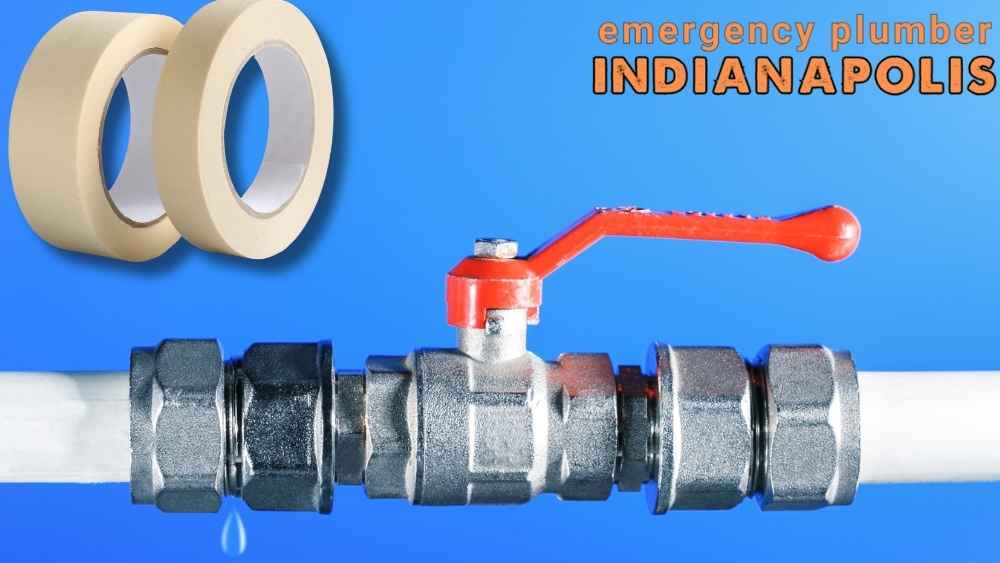
Have you ever had a leaky faucet or a dripping pipe and wondered how a simple roll of tape could help? That’s where plumbing tape comes in. Sometimes called thread seal tape or PTFE tape, it’s a small but powerful tool that can save you a lot of frustration during everyday plumbing repairs. Knowing plumbing tape how to use properly ensures your threaded pipe connections seal tightly, stay leak-free, and help keep your home clean, dry, and protected from water damage. Even minor leaks can waste water and lead to bigger issues if ignored.
In this guide, we will walk you through everything you need to know about plumbing tape, including where it works best, how to apply it correctly step by step, common mistakes to avoid that often cause leaks, and professional tips to improve results. By the end, you’ll feel confident handling minor plumbing fixes yourself, reducing repair costs and knowing when a job is safe to tackle without calling a plumber.
Quick Overview of Plumbing Tape
| Aspect | Explanation |
|---|---|
| What Plumbing Tape Is | A thin, flexible tape made of PTFE (polytetrafluoroethylene) used on threaded pipe connections to create a watertight seal. |
| Prevents Leaks | Fills tiny gaps between pipe threads to stop water from escaping. |
| Easier Tightening | Allows threads to slide smoothly, making connections easier to tighten properly. |
| Pipe Protection | Reduces the risk of corrosion and thread damage over time. |
| Reusability | Can sometimes be reused, but replacing the tape after removing a fitting is recommended. |
| How It Works | Acts as a barrier between pipes, helping water flow smoothly without leaks. |
| Key Takeaway | Anyone can use plumbing tape correctly and achieve professional-quality results at home. |
What Is Plumbing Tape and Why It’s Used
Plumbing tape is a thin, flexible tape made of PTFE (polytetrafluoroethylene) used on threaded pipe connections to create a watertight seal. It prevents leaks by filling tiny gaps between pipe threads and allows threads to slide smoothly, making connections easier to tighten properly. Plumbing tape also reduces the risk of corrosion and thread damage over time and can sometimes be reused, though replacing the tape after removing a fitting is recommended. It works by acting as a barrier between pipes, helping water flow smoothly without leaks.
- Prevents water leaks in threaded connections
- Makes fittings easier to tighten properly
- Protects threads from wear and corrosion
- Helps homeowners achieve professional-quality results
Where Plumbing Tape Works and Where It Doesn’t
| Application Area | Use Plumbing Tape? | Why or Why Not |
|---|---|---|
| Threaded metal pipes | Yes | Seals threads to prevent leaks |
| PVC threaded fittings | Yes | Creates watertight connections |
| Compression fittings | No | Tape interferes with the built-in seal |
| Push-fit connections | No | No threads exist, so tape isn’t needed |
| Flared fittings | No | Seal comes from the flare itself, not tape |
Not every plumbing connection needs tape. Using it incorrectly can cause problems rather than solving them.
- Works only on threaded connections
- Never use on non-threaded or compression fittings
- Helps you avoid leaks when used properly
Tip: If you’re unsure, check the fitting type. Using tape in the wrong place can make leaks worse.
Preparing the Threaded Pipe Before Applying Tape
Before applying tape, preparation is key. You want the threads clean and ready for a smooth application.
Step-by-Step
- Remove any old tape or debris from threads
- Wipe threads dry with a clean cloth
- Inspect threads for damage or wear
Why preparation matters
- Dirty threads prevent a tight seal
- Damaged threads may leak even with tape
- Proper prep makes you more confident in your DIY plumbing work
Remember, a small extra step here can save hours of frustration later.
Apply the Right Amount of Plumbing Tape
One of the most common mistakes when using plumbing tape is applying either too much or too little. Using too little tape won’t properly seal the threads, leaving the connection prone to leaks, while using too much can make it difficult to tighten the fitting securely.
The amount of tape needed depends on the pipe size: for a 1/4-inch pipe, 2–3 wraps are recommended; 1/2-inch requires 3–4 wraps; 3/4-inch needs 4–5 wraps, and pipes 1 inch or larger should have 5–6 wraps. Following these guidelines ensures a tight, leak-free connection and helps prevent future plumbing issues.
- Keep tape snug but not stretched too thin
- Ensure tape covers threads evenly from top to bottom
- Never cover the pipe opening
By applying the right amount, you can avoid leaks and make it easier to tighten the fitting without damage.
Common Mistakes to Avoid and Pro Tips
Even a small mistake can cause leaks. Common mistakes include wrapping tape in the wrong direction, using too much tape, covering the pipe opening, applying tape to non-threaded fittings, and reusing old tape. Pro tips for success include always replacing tape after removing a fitting, using thicker tape for metal-to-metal connections, and inspecting the threads before reapplying if leaks persist.
Bullet points (quick tips or warnings) to keep in mind are to take your time wrapping the tape, check for smooth threads before tightening, and remember that proper use reduces the risk of leaks and costly repairs.
Maintenance and Troubleshooting
Even after proper use, some pipes may develop slow leaks. You can prevent this with simple checks.
- Inspect fittings periodically for drips
- Remove old tape and rewrap if loosening occurs
- Avoid chemical sealants that may damage pipes
Tip: If you notice persistent leaks despite using tape correctly, it’s time to call a professional. We can help with tricky repairs that go beyond simple DIY fixes.
FAQs
How many wraps plumbers tape?
When using plumber’s tape, also known as Teflon tape, the general rule is to wrap the threads 3 to 5 times in a clockwise direction. Wrapping too few times may lead to leaks, while too many layers can make it difficult to screw the fitting on properly.
It’s important to start at the end of the pipe and overlap each layer slightly, keeping the tape smooth and tight. This ensures a secure, leak-free seal for threaded pipe connections and makes your plumbing installation more reliable.
Can I use plumbers tape on plastic threads?
Yes, plumber’s tape (Teflon tape) can be used on plastic threads if applied correctly. Wrap 2–3 times around the male threads without overwrapping to avoid cracking or difficulty tightening. Avoid pipe dope or harsh sealants, as they can damage plastic. Properly applied, plumber’s tape creates a secure, leak-free seal without harming the fittings.
Can you use pipe tape and pipe dope together?
Yes, you can use pipe tape and pipe dope together, and in many cases, doing so provides extra protection against leaks. Pipe tape, also known as Teflon tape, helps seal the threads of a pipe and makes assembly easier by reducing friction, while pipe dope, or thread sealant, creates a thicker, more durable seal that fills in any small gaps.
When used together, the tape acts as a lubricant and initial seal, and the dope reinforces the joint, making it more resistant to leaks and loosening over time. However, it’s important to apply them correctly: wrap the tape in the direction of the threads first, then apply a thin layer of pipe dope over it before assembling the connection. This combination is especially useful for metal pipes and high-pressure plumbing systems, but always check the manufacturer’s recommendations to ensure compatibility with the materials you are using.
Can you use plumbers tape on a hot water heater?
Yes, plumber’s tape (Teflon or PTFE tape) can be used on a hot water heater if applied correctly. Wrap it clockwise around the male threads a few times to create a tight, watertight seal, avoiding excessive tape that can hinder tightening. Use standard plumbing-rated tape, not specialty high-temperature or gas tapes. Proper use ensures a secure, leak-free connection and helps maintain your heater’s efficiency and safety.
Conclusion
Plumbing tape may seem like a small item, but knowing plumbing tape how to use properly can save you a lot of headaches. By following these steps preparing threads, applying the right amount, avoiding common mistakes, and maintaining connections you can achieve leak-free pipes with confidence.
Whether you’re a DIYer or a homeowner who wants to save money on minor repairs, mastering plumbing tape gives you more control over your home’s plumbing. And remember, we are here to assist if a repair becomes too tricky or if a leak persists. With a little patience and care, you can handle threaded connections like a pro and enjoy worry-free plumbing.