
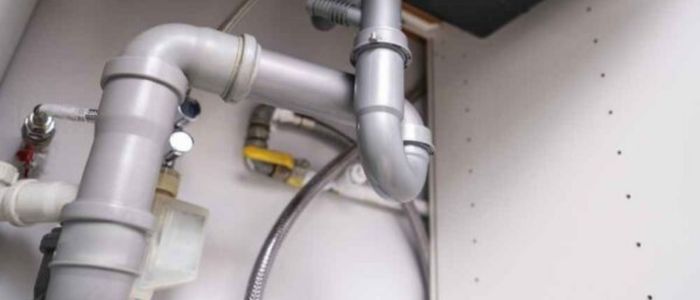
Plumbing is one of those everyday systems you don’t really think about until something suddenly goes wrong. One minute everything’s fine, and the next there’s water where it shouldn’t be, a drain backing up, or a tap refusing to cooperate.
Because most plumbing components are hidden behind walls or under floors, problems often go unnoticed until they become disruptive or costly.
Learning how to maintain home plumbing systems doesn’t have to feel overwhelming or overly technical. With a bit of patience, some basic awareness, and a few routine habits, homeowners can prevent many common plumbing issues before they escalate.
Proper maintenance helps reduce repair costs, extend the life of pipes and fixtures, and keep water flowing safely and efficiently throughout the home.
This guide explains what to watch for, which tools are useful, how climate and seasons affect plumbing, and what steps you can take year-round to keep everything running smoothly.
Quick Overview of Home Plumbing System Maintenance
| Issue / Topic | Common Signs | Risks | Recommended Action |
| Leaking pipes | Damp spots, dripping sounds | Water damage, mold growth | Inspect pipes and tighten or repair |
| Low water pressure | Weak flow from taps | Appliance strain, inefficiency | Clean aerators, check valves |
| Drain clogs | Slow drainage, unpleasant odors | Backups, pipe damage | Use drain screens and snakes |
| Water heater issues | Inconsistent hot water | Higher energy bills | Inspect and flush annually |
| Seasonal pipe damage | Frozen or cracked pipes | Burst pipes | Insulate and winterize |
This table provides a quick snapshot for homeowners who want to identify problems early and take preventive action.
Introduction to Home Plumbing System Maintenance
Understanding the basics of your plumbing system is the first step toward preventing unexpected failures. Plumbing systems are designed to work quietly in the background, delivering clean water and removing waste without much attention.
However, when something goes wrong, the damage can escalate quickly if ignored. Knowing how to maintain home plumbing systems starts with recognizing how water enters your home, how it circulates, and how it exits safely.
Even a general understanding allows you to respond faster when issues arise and make informed decisions about maintenance or repairs.
Key Points to Know
- Plumbing problems often start small and worsen gradually.
- Early detection can prevent expensive repairs.
- Routine checks reduce emergency situations.
Why Home Plumbing Maintenance Is Important
Regular plumbing maintenance keeps minor issues from turning into major disruptions. Small leaks, pressure irregularities, or partial clogs may not seem urgent at first, but over time they can damage walls, flooring, cabinetry, and even your home’s structure.
Consistent maintenance also improves water efficiency, helping reduce utility bills and unnecessary waste. In addition, well-maintained plumbing protects indoor air quality by preventing moisture buildup that can lead to mold or mildew.
Homeowners who understand how to maintain home plumbing systems are better prepared to protect their investment and avoid sudden, costly breakdowns.
Important Considerations
- Prevents long-term water damage.
- Improves overall system efficiency.
- Extends the lifespan of pipes and fixtures.
Understanding Your Home Plumbing System
Every home plumbing system is made up of several interconnected components that work together to deliver clean water and safely remove wastewater.
Key elements include water supply lines, which bring pressurized water from the municipal system or a private well; drain, waste, and vent pipes, which carry used water out of the home while maintaining proper airflow; water heaters, which provide hot water for daily activities; and fixtures and appliances such as sinks, toilets, showers, washing machines, and dishwashers.
Understanding where these major components are located especially the main water shut-off valve can make a crucial difference during an emergency, allowing homeowners to respond quickly and prevent extensive damage.
Older homes may still contain outdated materials such as cast iron or lead pipes. These materials often require closer monitoring and professional evaluation to ensure safety and compliance with modern standards.
Essential Tools for Maintaining Home Plumbing Systems
You don’t need professional-grade equipment to handle basic plumbing maintenance. A small, reliable set of tools can manage many routine tasks and minor repairs effectively.
Key Tools to Keep on Hand
- Adjustable wrench
- Pipe wrench
- Plunger (sink and toilet types)
- Plumber’s tape (Teflon tape)
- Drain snake or auger
- Basin wrench
- Bucket and absorbent towels
Having these tools readily available allows homeowners to respond quickly to small leaks, slow drains, or loose fittings without unnecessary delay.
Maintaining Proper Water Pressure and Flow
Water pressure that is too low or too high can damage pipes, fixtures, and appliances over time. Sudden changes in pressure or inconsistent flow should never be ignored.
Maintaining proper pressure is a critical part of learning how to maintain home plumbing systems, as imbalance can lead to premature wear or system failure.
Supporting Explanation
Pressure problems are often caused by mineral buildup, partially closed valves, hidden leaks, or clogged filters. Addressing these issues early helps preserve comfort and system longevity.
Practical Steps
- Ensure all isolation valves are fully open
- Clean faucet aerators and showerheads regularly
- Inspect exposed pipes for signs of leaks
- Test water pressure using a simple gauge
Ideal household water pressure: 40–60 PSI
Essential Plumbing Maintenance Tips for Homeowners
Developing good plumbing habits is one of the simplest and most effective ways to prevent common household problems. Small daily or monthly actions can greatly reduce the risk of emergencies and costly repairs.
Homeowners should regularly inspect under sinks and around appliances, address slow drains promptly, avoid using harsh chemical drain cleaners, and keep basic plumbing tools accessible for minor issues.
Consistently practicing these habits not only supports the long-term health of the plumbing system but also helps homeowners detect potential problems early, ensuring their home’s water supply and drainage continue to function efficiently and reliably.
DIY Tips for Minor Home Plumbing Repairs
Many minor plumbing problems can be handled safely by homeowners if approached with care. Simple tasks like tightening a loose fitting or clearing a small clog often require minimal effort.
Understanding how to maintain home plumbing systems also means knowing your limits and recognizing when professional help is necessary.
- Shut off the water supply before starting any repair
- Use proper tools to avoid damaging pipes or fittings
- Stop and call a professional if leaks persist or damage is visible
DIY solutions work best for small, isolated issues. Persistent or complex problems should always be handled by a licensed plumber.
Understanding Climate Effects on Home Plumbing Systems
Climate has a major impact on plumbing system performance, as cold temperatures increase the risk of frozen pipes and seasonal fluctuations in moisture and temperature can affect drainage systems and pipe materials.
Homeowners who understand how to maintain home plumbing systems in different climates are better equipped to prevent weather-related damage. In colder regions,
proper insulation and winter preparation are essential to protect pipes from bursting, prevent leaks, and avoid costly water damage. Taking climate conditions into account ensures that plumbing systems remain reliable and functional throughout the year, safeguarding both the home and its occupants.
Seasonal Home Plumbing Maintenance Checklist
Seasonal maintenance ensures your plumbing system remains reliable throughout the year. Each season presents unique challenges that require attention.
Maintenance Reminders
- Insulate exposed pipes before winter
- Shut off and drain outdoor faucets
- Clean gutters and downspouts to direct water away from the foundation
- Inspect for leaks during spring thaw
- Shut off the main water supply when travelling
Routine seasonal care reduces stress on your plumbing system and helps avoid surprise failures.
Additional Details and Common Plumbing Mistakes
Many plumbing issues are caused unintentionally by homeowners who overlook early warning signs or attempt repairs beyond their experience level.
Common Mistakes to Avoid
- Ignoring small leaks or damp areas
- Pouring grease, oil, or food scraps down drains
- Relying on harsh chemical cleaners
- Delaying professional assistance
FAQ
How often should you check your pipes?
You should check your pipes at least once a year as part of regular home maintenance. An annual inspection helps catch early signs of leaks, corrosion, loose fittings, or water pressure issues before they turn into costly repairs.
In addition to yearly checks, it’s smart to inspect visible pipes every few months, especially under sinks, around water heaters, and in basements or crawl spaces.
Older homes, homes with hard water, or properties that have experienced previous plumbing problems may benefit from more frequent checks or a professional plumbing inspection every 1–2 years. Regular monitoring ensures your plumbing system stays safe, efficient, and reliable.
How to clean hard water stains around faucets?
Hard water stains around faucets are caused by mineral buildup, mainly calcium and magnesium. To clean them, start by soaking a soft cloth or paper towel in white vinegar and wrap it around the stained area for 15–30 minutes.
This helps dissolve the mineral deposits without damaging the finish. After soaking, gently scrub with a soft toothbrush or non-abrasive sponge, then rinse thoroughly with warm water and dry with a clean cloth to prevent new spots.
For tougher stains, make a paste using baking soda and a small amount of water, apply it to the area, and gently scrub before rinsing. Avoid harsh chemicals or abrasive pads, as they can scratch faucet surfaces. Regular wiping after use and occasional vinegar cleaning can help prevent hard water stains from building up again.
Why does my heater make a popping sound?
A popping sound from your heater is usually caused by the expansion and contraction of metal components as they heat up and cool down. In gas or electric furnaces, ducts and vents can expand when warm air passes through, creating occasional popping or ticking noises.
In some cases, trapped moisture inside the ductwork can also turn to steam and cause popping sounds. While this is often normal, persistent or unusually loud popping could indicate loose components, sediment buildup in a boiler, or other issues that may require inspection by a professional to ensure safe and efficient operation.
How do I know if my gutters need cleaning?
You can tell your gutters need cleaning if you notice water overflowing from the edges during rain, sagging sections, or visible debris like leaves and twigs.
Other signs include plants growing in the gutters, unusual staining on your siding, or water pooling around your foundation.
Regular inspection at least twice a year, typically in spring and fall helps prevent clogs, water damage, and costly repairs. Keeping gutters clear ensures proper water flow and protects your home’s foundation, roof, and landscaping.
Conclusion
Learning how to maintain home plumbing systems gives homeowners the knowledge and confidence to prevent damage, reduce repair costs, and minimize stress associated with unexpected plumbing issues.
By performing regular inspections, keeping a few essential tools on hand, and practicing consistent maintenance habits, most common problems such as leaks, clogs, and pressure issues can be avoided or detected early before they escalate.
Paying close attention to small changes, like slow drains, unusual noises, or moisture under sinks, allows homeowners to act quickly and protect both their plumbing system and their home.
While many minor tasks can be handled safely, knowing when to call a professional is equally important, ensuring complex issues are resolved correctly and efficiently.
Ultimately, a proactive approach to plumbing maintenance helps maintain water efficiency, preserves the lifespan of fixtures and pipes, and keeps your home safe, comfortable, and fully functional throughout the year.