
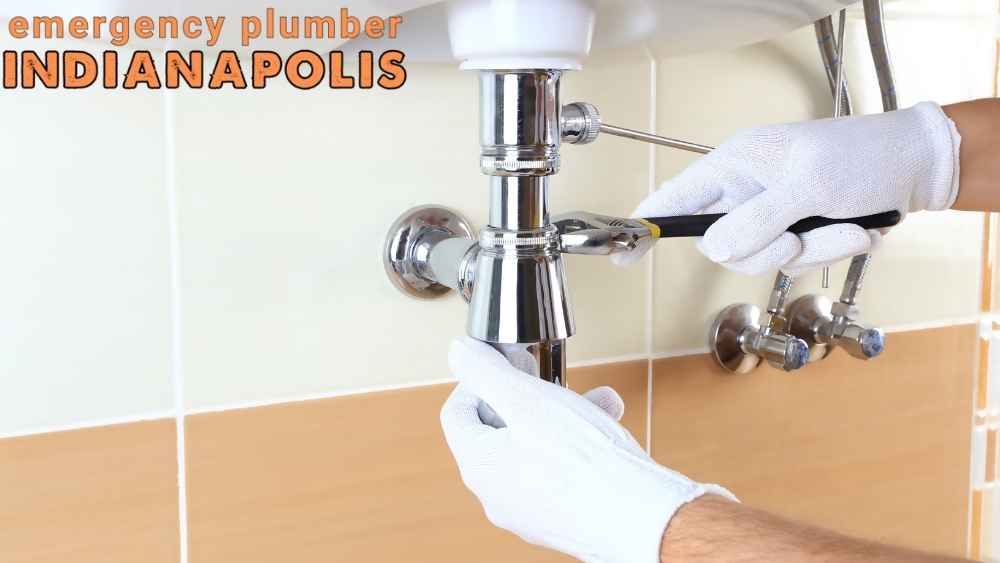
Kitchen plumbing issues rarely start as emergencies. A slow-draining sink, a dripping pipe, or an unusual noise under the cabinet might seem minor at first, but ignoring these warning signs can lead to significant damage over time.
Left unchecked, small leaks or blockages can harm cabinets, flooring, and even your home’s structural integrity. Because the kitchen is the heart of daily life, plumbing problems can quickly disrupt cooking, cleaning, and overall convenience.
In this article, i’ll explore how kitchen plumbing systems function, the most common problems homeowners face, and practical steps to prevent unnecessary damage.
The focus is on clear, actionable guidance not overwhelming technical jargon so you can recognize early warning signs, take the right precautions, and make informed decisions.
By understanding your kitchen plumbing, you’ll be better equipped to address small issues before they escalate into costly repairs, ensuring your home stays safe, functional, and efficient.
Quick Overview of Kitchen Plumbing Issues
| Issue / Topic | Common Signs | Risks | Recommended Action |
| Slow kitchen drain | Water pooling in sink | Pipe buildup, odors | Professional drain evaluation |
| Leaking pipes | Moisture under sink | Mold, cabinet damage | Prompt leak repair |
| Faulty garbage disposal | Loud noises, jams | Drain blockages | Proper use or repair |
| Low water pressure | Weak faucet flow | Inefficient cleaning | System inspection |
| Aging plumbing lines | Discoloration, corrosion | Pipe failure | Preventive replacement |
Everything You Need to Know About Kitchen Plumbing
Kitchen plumbing is a system, not a single fixture. It includes water supply lines, drain pipes, shut-off valves, and connected appliances that must work together seamlessly. When one part is stressed, the rest of the system often compensates until it can’t.
For homeowners, the biggest challenge is that most of this system is hidden. Pipes run behind walls and beneath cabinets, which means problems often develop quietly.
A small leak can weaken wood over time, while gradual buildup inside pipes reduces drainage efficiency. Kitchen plumbing requires attention not because it fails often, but because its failures are usually invisible at first.
- Small symptoms often signal larger system stress.
- Moisture damage can spread before it becomes visible.
- Early assessment reduces repair scope and cost.
Essential Kitchen Plumbing Systems in Your Home
Every kitchen relies on several interconnected plumbing components. The faucet delivers clean water through supply lines, while drain pipes carry wastewater away safely.
Garbage disposals and dishwashers depend on correct drainage and venting to function properly. When these components are balanced, your kitchen operates efficiently.
When they are not, pressure builds, flow slows, and wear accelerates. Kitchen plumbing works best when every connection is secure, and every line is properly supported.
Supporting Explanation and Professional Insight
Older homes often contain materials that were not designed for modern usage patterns. Increased water demand, appliance integration, and daily use place greater strain on systems that may already be aging. Understanding this helps explain why preventive care matters more now than ever.
Common Kitchen Plumbing Issues and How to Fix Them
The most common kitchen plumbing problems develop from everyday habits. Grease poured down drains hardens inside pipes. Food scraps overwhelm disposals. Seals inside faucets wear out gradually.
You might notice slow drainage, unpleasant odors, or water collecting under the sink. These signs indicate internal stress, not surface-level inconvenience. Kitchen plumbing issues rarely resolve themselves and tend to worsen without proper intervention.
Practical List
- Observe early warning signs such as slow flow or noise.
- Stop using affected fixtures to prevent further damage.
- Contact a professional when symptoms persist.
Most Common Kitchen Plumbing Problems in the Space Coast
Environmental conditions influence plumbing performance. In coastal regions, humidity accelerates corrosion, while mineral-rich water contributes to buildup inside pipes. These factors make localized knowledge essential.
Many homeowners in the Space Coast experience recurring drain issues or fixture degradation sooner than expected. Kitchen plumbing systems in this area benefit from periodic inspection rather than reactive repair.
Key Points
- Hard water shortens fixture lifespan
- Corrosion progresses faster in humid environments
- Preventive care reduces emergency repairs
Expert Kitchen Plumbing Repair Services for Any Size Problem
Professional plumbing repair focuses on addressing the root causes of problems rather than just treating visible symptoms. Proper diagnostics identify the source of pressure issues, blockages, or leaks, ensuring that repairs are long-lasting.
Services are performed with care to protect surrounding structures and restore overall system balance, rather than providing temporary fixes.
Timely and reliable repair not only prevents recurring issues but also preserves cabinet integrity, flooring, and indoor air quality. By addressing problems early, professional plumbing repair safeguards both the plumbing system and the living spaces around it.
Professional Kitchen Plumbing Installation Services
Installation quality determines system longevity. Whether replacing a sink, installing a new disposal, or connecting appliances, precision matters. Poor installation often leads to leaks, vibration, and early failure.
We also provide these services with careful planning to ensure compatibility, efficiency, and safe operation. Proper installation reduces long-term maintenance demands and improves daily usability.
Installation Insight
- Evaluate existing plumbing layout
- Ensure proper alignment and sealing
- Test performance before final use
Fix, Install, and Maintain Your Kitchen Plumbing the Right Way
A proactive approach to plumbing combines regular maintenance, correct installation, and timely repair, helping to minimize emergencies and extend the life of the system.
Kitchen plumbing and other household systems perform best when care is consistent rather than reactive. Routine inspections allow homeowners to catch issues early, while proper usage habits reduce strain on pipes and fixtures.
This balanced approach not only saves time and money but also prevents unnecessary disruption. Preventive care is generally far less costly than emergency repairs, improves efficiency and reliability, and ensures long-term system performance through consistent attention.
Tips to Keep Your Kitchen Plumbing and Garbage Disposal Running Smoothly
Small habits have a large impact. Avoid disposing of grease, run water during disposal use, and watch for changes in flow or sound. These actions protect internal components and reduce buildup.
Kitchen plumbing responds well to attention. Early awareness allows correction before damage spreads.
Quick Tips and Warnings
- Do not overload garbage disposals
- Address slow drains promptly
- Schedule inspections for aging systems
Additional Details and Common Homeowner Mistakes
DIY plumbing repairs can often worsen hidden damage. Actions like over-tightening fittings, relying on chemical drain cleaners, or overlooking venting issues may compromise pipe integrity and lead to costly problems.
Professional support ensures safe, code-compliant work with long-term results, preventing mistakes that are far more expensive to correct than to avoid.
Homeowners should regularly monitor under-sink areas for leaks or moisture, never ignore unusual odors, and seek expert evaluation when issues persist.
FAQ
What do you do if the faucet is leaking out the base of the kitchen?
If a kitchen faucet is leaking from the base, the issue is usually caused by worn internal components rather than the spout itself.
Start by turning off the water supply and removing the faucet handle to inspect the O-rings, seals, and cartridge, as these parts commonly wear out over time. Mineral buildup can also prevent proper sealing, so cleaning the internal components may help.
If the faucet continues to leak after replacing the seals or cartridge, the faucet body may be damaged or improperly installed, and replacing the faucet is often the most reliable solution. Addressing base leaks promptly helps prevent water damage to the cabinet and countertop.
How do I manually reset my garbage disposal?
- Turn off the power at the wall switch or circuit breaker to ensure safety before working on the disposal.
- Locate the reset button underneath the unit usually red or black and press it firmly until it clicks.
- Restore power and test the disposal by turning it on.
- If the disposal hums but does not spin, use a hex (Allen) wrench in the center hole at the bottom of the unit to manually rotate the motor and clear any jams.
- If the unit continues to trip or will not restart, it may indicate a deeper mechanical or electrical issue that requires professional inspection.
How do you unclog a kitchen sink naturally?
You can unclog a kitchen sink naturally by using safe household ingredients that break down grease and food buildup without damaging your pipes.
Start by removing any standing water, then pour about half a cup of baking soda directly into the drain.
Follow it with one cup of white vinegar and cover the drain for 10–15 minutes to let the reaction loosen debris. Afterward, flush the drain with hot (not boiling) water to wash away the residue.
If the clog persists, a plunger or a mixture of hot water and dish soap can help dissolve stubborn grease. Regular natural cleaning can prevent future blockages and keep your kitchen plumbing flowing smoothly.
How to fix refrigerator leaking water on floor?
A refrigerator leaking water onto the floor is usually caused by a drainage or condensation issue rather than a major mechanical failure.
One common cause is a clogged or frozen defrost drain, which prevents water from flowing into the drain pan and causes it to overflow onto the floor.
Cleaning the drain with warm water or a mild solution often resolves this problem. Another frequent issue is a cracked or misaligned drain pan located beneath the refrigerator, which can allow water to spill out instead of evaporating normally.
Leaks can also occur if the water supply line to the ice maker is loose or damaged, or if the refrigerator is not level, causing water to flow in the wrong direction.
Checking door seals is equally important, as damaged gaskets allow warm air inside, creating excess condensation that can drip onto the floor. Addressing these issues early helps prevent water damage, mold growth, and costly appliance repairs.
Conclusion
Understanding how your plumbing systems work, recognizing early warning signs, and taking a proactive approach to maintenance can protect your home from costly damage while preserving comfort, safety, and property value.
Regular inspections, proper usage habits, and timely professional support ensure that pipes, fixtures, and appliances continue to function reliably.
Homeowners who prioritize preventive care not only avoid emergencies but also extend the lifespan of their plumbing system.
With the right knowledge and consistent attention, you can maintain peace of mind and confidence in the system you rely on every day, keeping your home safe and efficient.