
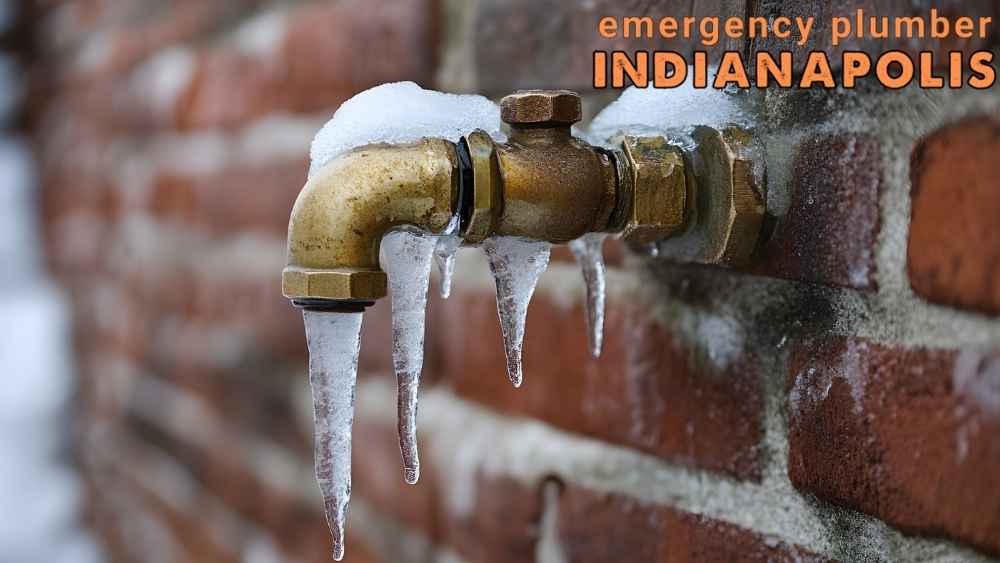
Winter is a season of unique challenges for your home’s plumbing, as cold temperatures, frozen ground, icy winds, and sudden temperature fluctuations can place significant stress on pipes, drains, fixtures, and overall water systems. As water freezes and expands, even well-maintained plumbing can become vulnerable to cracks, blockages, leaks, or complete pipe failure.
Understanding common winter plumbing problems is essential for homeowners and building owners who want to prevent costly repairs, avoid unexpected water damage, and maintain consistent, safe water flow throughout the colder months. Issues such as frozen pipes, burst lines, slow or blocked drains, water heater strain, and sewer line problems are far more common during winter and often develop with little warning.
In this guide, we explore the most frequent winter plumbing issues, how to identify early warning signs, practical solutions to address problems quickly, and proven prevention strategies that help ensure your plumbing system remains reliable, efficient, and protected all season long, even during extreme winter conditions.
Common Winter Plumbing Problems You Can’t Ignore
| Problem | Description | Risk Level |
|---|---|---|
| Frozen Pipes | Water inside pipes freezes and may expand | High |
| Water Heater Issues | Reduced efficiency or failure in cold weather | Medium |
| Clogged Drains & Sewer Lines | Slow drainage due to ice, debris, or grease | Medium |
| Leaks & Dripping Faucets | Exacerbated by cold contraction of pipes | Low to Medium |
| Burst Pipes | Extreme cold can cause pipes to rupture | High |
Frozen Pipes: The no1 Winter Plumbing Problem
Frozen pipes are one of the most common winter plumbing challenges, and homeowners may notice warning signs such as no water coming from faucets, frost or ice on exposed pipes, or strange sounds in the plumbing system like creaking or gurgling. Pipes typically freeze when the water inside them is exposed to freezing temperatures, which is especially common in basements and crawl spaces, exterior walls with plumbing, and attics or unheated garages.
When water freezes, it expands, which can rupture the pipe and result in major leaks, water damage to walls, floors, and ceilings, as well as mold growth and potential structural damage. To prevent frozen pipes, homeowners should insulate exposed pipes with foam or heat tape, keep a slow trickle of water running during extreme cold, and seal drafts or openings near plumbing.
Best maintenance practices include checking insulation before winter begins, monitoring areas where freezing is likely, and keeping the indoor temperature consistent. If frozen pipes are detected or a burst pipe is suspected, it is important to contact a licensed plumber immediately, as attempting to thaw severely frozen pipes without proper knowledge can increase the risk of pipe failure.
- Frozen pipes can burst and cause severe water damage
- Areas with poor insulation are most at risk
- Early detection reduces repair costs and damage
What to Do If a Pipe Freezes or Bursts
How to Identify the Problem
Signs of a frozen or burst pipe include:
- Sudden loss of water pressure
- Visible leaks or water pooling
- Unusual odors from water lines
Solutions to the Problem
- Shut off the main water supply immediately to prevent flooding
- Avoid using open flames or unsafe heating methods
- Use a safe heat source such as an electric pipe heater for small frozen sections
Tip: Early detection can prevent extensive water damage and reduce repair costs.
Water Heater Problems in Cold Weather
Common signs that your water heater is struggling during winter include inconsistent hot water, strange noises such as popping or rumbling, and water that is not as hot as usual. These issues often occur because cold ambient temperatures increase demand on the system, sediment buildup reduces heating efficiency, and older units may fail under prolonged cold stress. To prevent winter-related problems, it is recommended to:
- Flush the water heater annually to remove sediment
- Check pressure relief valves for proper operation
- Insulate the water heater tank and exposed pipes
- Ensure the thermostat is set to a safe and efficient temperature
Best maintenance practices also include testing water temperature regularly, monitoring energy bills for sudden increases, checking for moisture or rust around the unit, and scheduling a professional inspection before winter begins. If the water heater shows signs of leaks or corrosion, produces persistent unusual noises, or you notice a drop in performance that continues despite regular maintenance, it is time to call a professional to prevent further damage or system failure.
Clogged Drains and Sewer Line Issues
How to Identify the Problem
Clogged drains often worsen in winter due to
- Accumulated grease and soap residue
- Ice formation in outdoor drains
- Tree roots or debris causing blockages
Symptoms include
- Slow draining sinks and tubs
- Backflow in toilets or showers
- Unpleasant odors from drains
Causes and Risks
- Cold weather slows water flow, allowing grease and debris to build up
- Ice in outdoor lines can create partial blockages
- Persistent clogs can lead to sewer backups
Prevention Tips
- Avoid pouring grease or fat down drains
- Use drain strainers to catch debris
- Schedule regular sewer line inspections
Solutions to the Problem
- Safe, mechanical drain cleaning for minor blockages
- Professional clearing for recurring or major blockages
How to Prevent Pipes from Freezing
To prevent winter plumbing issues, insulate pipes with foam sleeves or heat tape, keep cabinet doors open to allow warm air to circulate around plumbing, maintain consistent indoor heating throughout your home, and let faucets drip slightly during extreme cold to reduce pressure inside the pipes.
Best maintenance practices include inspecting insulation at the start of winter, sealing gaps and cracks near plumbing lines where cold air can enter, and using smart sensors to monitor pipe temperature in vulnerable areas for early detection of freezing risks. Tip: Preventing pipe freezing is far less costly than repairing burst pipes.
Solutions to Winter Plumbing Problems
General Solutions
- Repair minor leaks promptly
- Replace damaged or outdated pipes
- Apply seasonal maintenance strategies for water heaters, drains, and exposed pipes
Safety Precautions
- Avoid unsafe DIY methods for thawing pipes
- Follow manufacturer guidelines for water heater and pipe maintenance
- Always turn off the water supply before attempting repairs
When to Call a Professional Plumber
Signs you need expert help include burst pipes or major leaks, persistent or recurring clogs, water heater failure or unsafe operation, and frozen pipes that do not thaw easily. Benefits of professional intervention include early detection that prevents extensive damage, experts who can safely thaw and repair frozen pipes, and thorough inspections that ensure your plumbing system meets code requirements and is fully prepared for winter readiness.
Why Winter Plumbing Maintenance Matters
Proper winter plumbing maintenance reduces the risk of pipe bursts and leaks, helps maintain water heater efficiency, prevents slow drains and sewer backups, and protects your property from water damage and mold.
A seasonal maintenance checklist should include:
- Inspecting and insulating exposed pipes
- Testing the water heater and checking its temperature
- Cleaning drains and gutters to prevent ice and debris buildup
Keep Your Plumbing Safe This Winter
Indoor Precautions
- Maintain steady indoor temperature
- Open cabinet doors to allow airflow around pipes
- Use timers or smart thermostats to avoid cold spots
Outdoor Precautions
- Drain and disconnect garden hoses
- Protect outdoor faucets with insulated covers
- Clear ice and snow from drainage areas
Pro Tip: Keeping both indoor and outdoor plumbing monitored reduces emergencies and costly repairs.
FAQs
How long can pipes be frozen before bursting?
Pipes can start to burst if the water inside freezes and expands, but the exact time depends on factors like the pipe material, insulation, and temperature. Generally, pipes exposed to temperatures below 20°F (-6°C) can freeze within a few hours. Once frozen, the risk of bursting increases the longer the ice remains, especially if the temperature stays very low. In many cases, pipes may burst within 24–48 hours of being frozen, but prompt action to thaw them safely can prevent damage.
What to do if you suspect a frozen pipe?
- Act quickly if you suspect a frozen pipe to prevent bursting.
- Locate the frozen section in cold-prone areas such as basements, attics, or exterior walls.
- Turn off the main water supply before attempting to thaw the pipe.
- Thaw gently using a hairdryer, heating pad, or warm towels never use an open flame.
- Keep faucets open while thawing to relieve pressure in the pipes.
- Call a professional plumber immediately if you cannot locate the frozen section or notice any cracks to prevent costly damage.
Why does my water heater go down every time it gets very cold?
In cold weather, your water heater may struggle to provide consistent hot water because incoming water is colder, increasing demand. Poor insulation and older or less efficient heaters can cause heat loss, frequent cycling, or temporary shutdowns. Proper insulation, routine maintenance, and correct thermostat settings help your water heater perform reliably during colder months.
Is it bad to leave a hose connected during winter?
Yes, leaving a hose connected during winter can cause serious problems. When temperatures drop below freezing, any water left inside the hose or in the outdoor faucet can freeze, expand, and potentially damage the hose, spigot, or even your plumbing system.
Frozen water can cause cracks or leaks, leading to costly repairs in the spring. To protect your hoses and plumbing, it’s best to disconnect the hose, drain any remaining water, and store it in a dry, sheltered area until warmer weather returns. Additionally, consider using a frost-proof outdoor faucet or insulating exposed pipes to further prevent freeze-related damage.
Conclusion
Winter presents a unique set of challenges for homeowners. Common winter plumbing problems such as frozen pipes, water heater issues, clogged drains, and burst pipes can cause serious damage if not addressed early. Preventive measures pipe insulation, regular maintenance, and monitoring combined with professional inspections provide peace of mind and long-term protection.
By understanding these issues, following safety precautions, and knowing when to call a professional, you can maintain a reliable and safe plumbing system all winter. Being proactive ensures your home stays warm, water flows freely, and costly repairs are minimized.