
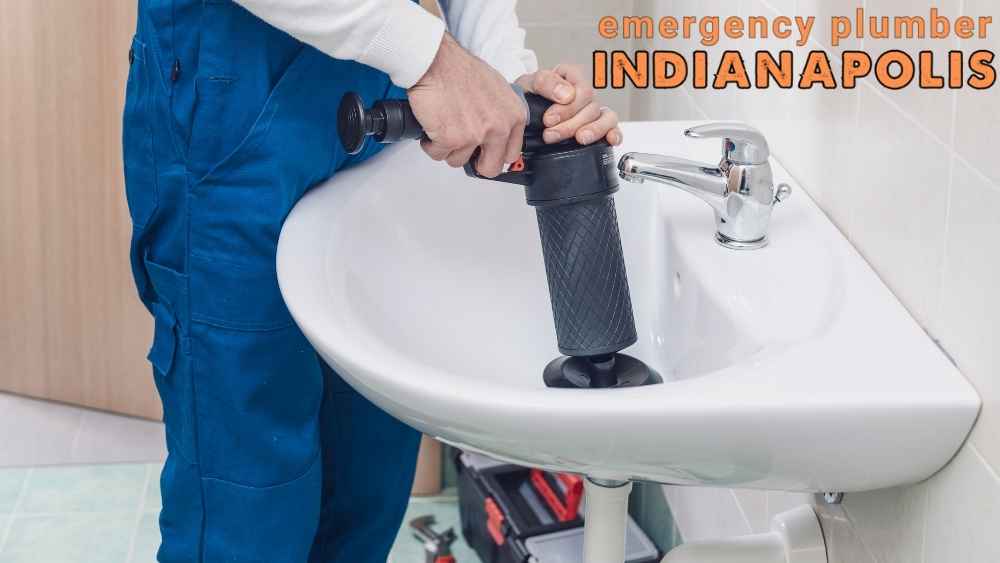
Have you ever turned on a faucet and wondered if your water was up to something sneaky? Or spotted a small puddle under the sink and thought, “I’ll deal with it later”? While these issues might seem minor at first, ignoring them can quickly lead to costly problems ranging from hidden leaks and water damage to mold growth and even structural issues in your home.
We’ve seen it all, and recognizing the signs that professional plumbing repairs are needed can save you from expensive emergencies, endless DIY frustration, and the worry of an unsafe plumbing system.
In this guide, we’ll walk you through the most common plumbing problems, including dripping faucets, running toilets, clogged drains, water heater issues, and pipe corrosion. You’ll learn why each problem matters, how to spot early warning signs, and when it’s time to call a licensed plumber to prevent small issues from becoming major repairs.
Quick Overview of Plumbing Repair Issues
| Plumbing Issue | Common Indicator | Urgency Level |
|---|---|---|
| Water Leaks | Drips, puddles, or water stains | High |
| Clogged Drains | Slow or backed-up sinks, tubs, showers | Medium |
| Running Toilets | Constant running water after flushing | Medium |
| Slow Drains Throughout Home | Multiple fixtures draining slowly | High |
| Pipe Corrosion | Discolored water, rust, leaks | High |
| Sewer Line Damage | Foul odors, backups, gurgling | High |
| Low Water Pressure | Weak flow in faucets or showers | Medium |
Common Signs Your Plumbing Needs Repair
Water Leaks
Even a small leak can turn into a big problem if ignored. Signs include:
- Water pooling under sinks or around appliances.
- Stains on walls, ceilings, or floors.
- Unexplained increases in your water bill.
Why it matters: Leaks waste water, increase utility costs, and can damage flooring, walls, or cabinets.
Solution: If you notice persistent leaks, we recommend contacting a plumber to assess and repair the issue before it worsens.
Clogged and Slow Drains
Slow-draining sinks or tubs may seem like a minor inconvenience, but they often signal hidden plumbing problems. Signs include:
- Water backing up in multiple fixtures
- Foul smells coming from drains
- Gurgling sounds during flushing
Why it matters: Clogs can damage pipes, cause backups, and potentially lead to costly sewer repairs if left unchecked.
Solution: Call a professional plumber for safe and effective drain cleaning, avoiding harsh chemicals or improper DIY tools.
Running Toilets
Check for:
- Constant water movement in the tank
- Hissing or trickling sounds
- Frequent need to adjust the flush mechanism
Why it matters: Running toilets inflate your water bill and may indicate internal tank issues needing expert attention.
Solution: We can repair or replace faulty parts, restoring efficiency and saving you money.
Pipe and Water Quality Issues
Pipe corrosion often presents itself through rust-colored or discolored water, flaking pipes or fittings, and occasional drips from older pipes. This issue is significant because corrosion weakens the plumbing system and can introduce contaminants into your water. Addressing it typically requires a licensed plumber to inspect the pipes, identify areas affected by corrosion, and recommend repairs or replacements to prevent more serious damage.
Similarly, low water pressure can manifest as weak or inconsistent flow, pressure loss across multiple fixtures, or struggling water heaters and appliances. This condition is important to address because it may indicate leaks, pipe blockages, or aging plumbing infrastructure. Professional diagnosis and targeted repairs can restore normal water flow and maintain the integrity of your plumbing system.
Persistent or Widespread Problems
Sometimes, plumbing problems appear across multiple areas of your home:
- Recurrent leaks after temporary fixes
- Slow drains affecting several sinks, showers, or tubs
- Rusty and discolored water from multiple faucets
Why it matters: Persistent issues often indicate systemic plumbing problems that DIY solutions cannot fully resolve. Ignoring them can lead to more extensive damage, higher repair costs, and water contamination.
Solution: Calling a professional plumber ensures comprehensive inspection and repair before problems escalate.
Understanding Your Plumbing System
Understanding the basics of your shower plumbing system helps you identify issues early and address them before they become major problems. A typical shower plumbing system includes a drain assembly with a P-trap to prevent odors, supply pipes and valves that control water flow, and the shower faucet, handles, and other fixtures. Knowing these components is important because a problem in one part can affect the entire system. By familiarizing yourself with the parts, you can communicate clearly with your plumber, making repairs faster, more accurate, and often less costly.
When to Get Professional Plumbing Services
If your home shows persistent leaks, slow drains, rusty water, or unusual odors, it’s time to call a professional plumber. Early intervention not only prevents damage and waste but also ensures safety, proper repairs, and lasting peace of mind.
Contact a professional immediately if you notice
- Continuous or recurring water leaks
- Slow drains in multiple areas
- Discolored or rusty water
- Sewer odors or unusual sounds
Benefits of calling a professional
- Accurate diagnosis with proper tools
- Prevents further damage and water waste
- Ensures compliance with plumbing codes
- Provides peace of mind and long-term reliability
Tip: Acting early can prevent costly repairs and long-term plumbing damage.
Additional Details or Common Mistakes
Ignoring early signs of leaks or clogs, using harsh chemicals for minor blockages, and attempting major repairs without proper knowledge can all lead to serious problems. These mistakes are significant because they can worsen existing damage, increase repair costs, and even compromise the safety and quality of your water. Proper care and professional intervention are essential to prevent these issues from escalating.
Maintenance Tips
- Inspect plumbing fixtures regularly
- Monitor water pressure and flow
- Schedule professional inspections annually
- Keep pipes insulated and protected from temperature extremes
- Address small leaks promptly before they escalate
FAQs
Why does my heater make a popping sound?
A heater can make a popping sound for a few common reasons. Often, it’s caused by the metal components expanding and contracting as they heat up and cool down. In some cases, dust or debris on the heating elements can also create small pops when burned off.
If your heater uses water or steam, trapped air in the system can cause popping or banging noises. While occasional popping is usually harmless, consistent or loud sounds may indicate a buildup of sediment or a mechanical issue that should be checked by a professional.
What causes blue stains in the sink?
Blue stains in a sink are usually caused by high levels of copper in your water. This often happens when copper pipes corrode over time, releasing small amounts of copper into the water. The blue or greenish discoloration is more noticeable on porcelain or white sinks.
Using harsh or acidic cleaners can also accelerate staining by reacting with the copper. Regular cleaning and water testing can help prevent these stains and protect your plumbing.
How do you stop pipes banging when turning taps off?
- Pipe banging (water hammer) occurs when water flow suddenly stops, causing pipes to shake and make loud noises.
- Install water hammer arrestors to absorb the shock and prevent banging.
- Secure loose pipes using brackets or clamps to reduce movement and noise.
- Adjust water pressure by partially closing the main water valve or lowering the pressure to a steady level.
- Perform regular maintenance and check for worn-out valves to prevent the problem from recurring.
How do you know when a sump pump is going bad?
A sump pump may be going bad if you notice unusual signs or performance issues. Common indicators include strange noises like grinding or rattling, which could mean the motor or pump components are wearing out. If the pump runs constantly or fails to turn on when water rises, it may be struggling to function properly.
Slow or incomplete water removal is another warning sign, as is visible rust, corrosion, or leaks around the pump. Regularly testing your sump pump and checking for these issues can help you catch problems early and prevent water damage in your basement.
Conclusion
Ignoring plumbing issues can be tempting, but the signs that you need professional plumbing repairs are often easy to spot when you know what to look for. Problems such as leaks, running toilets, slow drains, and pipe corrosion should never be ignored, as early detection and timely professional intervention can save you time, money, and unnecessary stress.
Addressing plumbing issues promptly helps prevent major property damage, protects your water quality, and maintains system efficiency. Persistent or widespread problems are clear indicators that expert attention is needed to ensure safety and code compliance. By contacting a trusted plumber as soon as issues arise, homeowners can avoid costly emergencies and enjoy lasting peace of mind, making professional plumbing repairs a smart investment in long-term reliability and home safety.