
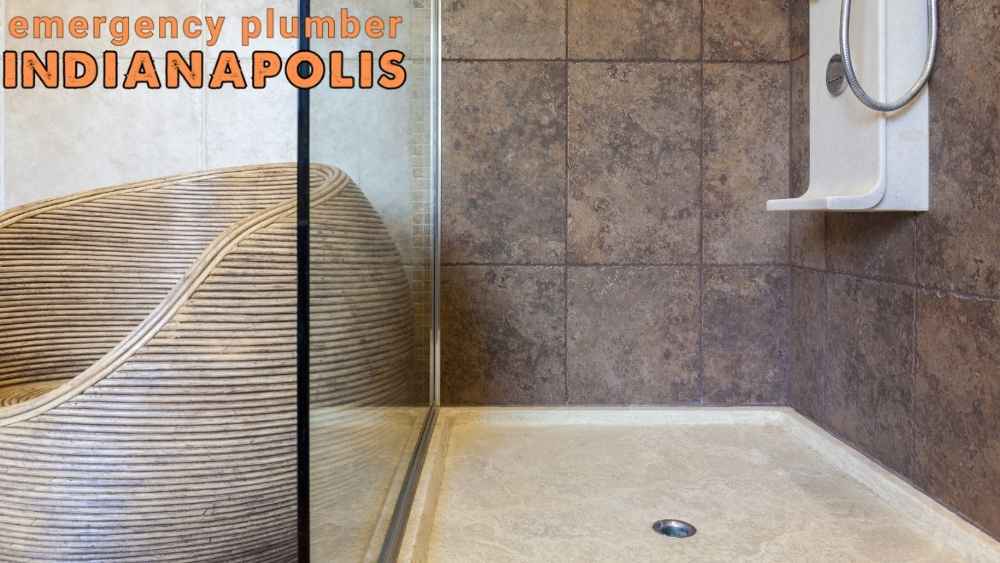
It often begins during a remodel, standing over an unfinished bathroom floor and imagining the final result. The tiles will look great, the fixtures will shine but what happens underneath matters far more than what you see. When water starts flowing through a new shower, there’s no visible warning if something was done incorrectly below the surface. That’s why learning how to plumb a shower base properly is so important for homeowners.
This article explains how to plumb a shower base in a clear, practical way. You’ll learn why the plumbing beneath the base matters, what problems occur when it’s done incorrectly, and how proper installation protects your home from leaks, drainage issues, and long-term structural damage.
Quick Overview of How to Plumb a Shower Base
| Issue / Topic | Common Signs | Risks | Recommended Action |
|---|---|---|---|
| Incorrect drain alignment | Slow drainage | Water pooling under base | Re-align drain before sealing |
| Poor sealing | Moisture outside shower | Mold, rot | Reseal drain connection |
| Improper slope | Standing water | Premature wear | Reset base with proper support |
| Loose connections | Hidden leaks | Structural damage | Pressure test before finishing |
How to Plumb a Shower Base the Right Way
Plumbing a shower base is not just about connecting a drain. It’s about creating a controlled path for water that works consistently for years. When you understand how to plumb a shower base correctly, you reduce the chance of leaks that may not show up until serious damage has already occurred.
The process involves precise drain placement, proper base support, and secure sealing. If even one of these steps is rushed or overlooked, water can escape beneath the base and compromise the subfloor. For homeowners, the real goal is reliability, not just completion.
Key Points and Important Considerations
- Drain alignment must be exact before final installation
- The shower base must be fully supported and level
- Seals must be watertight, not overtightened
Understanding the Shower Base and Drain System
A shower base is designed to guide water toward a central drain while acting as a waterproof barrier. The drain system below includes the drain body, trap, and waste pipe, all of which must align perfectly. When learning how to plumb a shower base, it’s essential to understand that gravity does most of the work. Improper slope or height differences interrupt this flow, causing slow drainage or standing water that stresses the system over time.
Supporting Explanation and Insight
Many shower failures result from misalignment rather than poor materials. Even top-quality components can fail if installation lacks precision, proper alignment, or thorough testing. Ensuring careful fitting, accurate leveling, and post-installation checks is crucial, as these factors often determine the longevity and performance of the shower system.
Step-by-Step Guide to Plumbing a Shower Base Safely
Prepare the Subfloor
Before installing the shower base, it’s essential to ensure that the subfloor is ready. Check that the surface is solid, level, and free of debris, dust, or old adhesive. Any uneven spots can cause the base to rock or flex, which may lead to cracks or leaks over time. Reinforce the subfloor if necessary and ensure it can fully support the weight of the base, water, and users without shifting.
Dry-Fit the Drain Assembly
Before committing to glue or sealants, dry-fit the drain assembly to the shower base. This involves aligning the drain with the existing waste pipe and checking that all parts fit together properly. Make sure the drain sits flush and straight, as even minor misalignments can cause leaks or drainage issues later. Take your time during this step it’s much easier to adjust before anything is permanently fixed.
Set the Shower Base
Once the drain fits correctly, carefully set the shower base into position. Use mortar or the manufacturer-recommended support system underneath the base to provide a stable foundation. Proper support prevents flexing or shifting when weight is applied, which is a common cause of cracking or leaks. Ensure the base is level in all directions and that it aligns perfectly with walls and surrounding tiles.
Secure and Seal the Drain
After the base is positioned, apply plumber’s sealant or silicone around the drain to create a watertight connection. Tighten the drain assembly according to the manufacturer’s specifications, but avoid over-tightening, which can damage the drain or base. Make sure the sealant is applied evenly, filling all gaps to prevent any potential leaks.
Test Before Finishing
Before you proceed with tiling or finishing the shower, test the drain system thoroughly. Run water into the shower and observe the flow to ensure proper drainage. Check underneath the base for any signs of leaks. Testing at this stage allows you to catch and correct issues early, avoiding expensive repairs or reinstallation later.
Know When to Stop and Call a Professional
Even with careful planning, some issues may arise that require professional attention. If the base does not sit level, the drain does not align, or there are signs of structural weakness, it’s safer to stop and consult a licensed plumber. Addressing these problems early prevents costly damage to the subfloor or walls and ensures the shower remains leak-free and secure for years.
Why Proper Shower Base Plumbing Matters
Plumbing a shower base correctly protects not only the shower but the surrounding structure as well. Improper installation can allow water to seep into the subfloor, framing, and adjacent walls, leading over time to mold growth, wood rot, and costly repairs.
Understanding how to plumb a shower base properly ensures water drains efficiently, prevents leaks, and safeguards your home’s structural integrity. Proper installation also provides peace of mind, knowing the shower will perform reliably for years to come. Paying attention to slope, sealing, and drainage details is essential for a durable, safe, and worry-free shower system.
Additional Details and Common Homeowner Mistakes
Many homeowners underestimate the precision required at the drain connection. Common mistakes include forcing fittings, skipping pressure tests, or assuming sealant alone will compensate for misalignment. DIY errors in shower base plumbing are often hidden until damage is extensive. This is why careful planning and verification are critical at every stage.
Quick Tips and Warnings
- Do not skip leak testing
- Do not rely on sealant to fix poor alignment
- Always confirm slope before final installation
Safety, Efficiency, and Long-Term Performance
Proper shower base plumbing not only improves safety by preventing hidden moisture and mold but also enhances efficiency by ensuring water flows smoothly without pooling or backups. Correct installation protects the surrounding structure, reducing the risk of costly damage to floors, walls, and subflooring over time. From a financial perspective, investing in proper plumbing upfront minimizes the need for future tear-outs, repairs, or extensive renovations.
For homeowners seeking peace of mind, professional shower base plumbing services ensure that everything beneath the surface is installed correctly the first time, providing long-term reliability, safety, and performance for years to come.
When Professional Help Adds Value
If your bathroom layout is complex, the subfloor is uneven, or local plumbing codes are unclear, professional installation becomes the safer option. Plumbing mistakes beneath a shower base are expensive to correct after finishing work is complete. We also provide these services with a focus on long-term durability, ensuring the shower base performs reliably long after installation.
FAQs
What size pipe is used for shower drain?
For a standard residential shower, the typical drain pipe size is 2 inches in diameter. This size allows water to flow efficiently while preventing clogs and backups. In some older homes or specific designs, a 1.5-inch pipe might be used, but modern building codes generally recommend 2 inches to ensure proper drainage.
It’s also important that the drain is properly connected to the main waste line with the correct slope, usually 1/4 inch per foot, to maintain smooth water flow and prevent standing water. Proper sizing and installation are key to avoiding leaks and long-term plumbing issues.
What should I put under a shower base?
Proper support under a shower base is essential to prevent cracking, shifting, or drainage issues. Typically, a shower base should sit on a level, solid surface. This often includes a layer of mortar or a pre-formed mortar bed, which helps distribute weight evenly and provides a stable foundation. For some prefabricated bases, manufacturers may allow the use of shims or a specific support tray.
It’s important to follow the manufacturer’s instructions and ensure the subfloor is clean, dry, and free of debris before installation. Proper underlayment not only ensures stability but also helps prevent leaks and extends the life of your shower.
Do you need to waterproof under a shower base?
Yes, waterproofing under a shower base is highly recommended and, in many cases, essential. While some prefabricated shower bases are designed to be watertight, applying a waterproof membrane or coating beneath the base adds an extra layer of protection against leaks.
This is especially important for preventing water from seeping into the subfloor, which can cause structural damage, mold growth, and costly repairs over time. Proper waterproofing ensures the longevity of your shower installation and provides peace of mind that your bathroom remains safe and dry.
How to stop a shower base from squeaking?
A squeaky shower base is usually caused by movement or flexing due to inadequate support underneath.
- Check if the base is properly supported on a solid, level subfloor.
- Add a layer of mortar or use shims underneath to stabilize the base and prevent movement.
- Ensure all drain connections are tight and properly sealed, as loose fittings can also cause noise.
In some cases, reinforce the surrounding framing or add additional support beams for long-term stability.Regular inspection and proper installation are essential to prevent squeaks and maintain a secure, quiet shower base.
Conclusion
Learning how to plumb a shower base correctly is about more than just installing a functional shower it’s about protecting your home from leaks, water damage, and structural issues that often remain hidden until serious problems arise. Improper installation can lead to water seeping into subfloors, framing, and nearby walls, creating conditions for mold growth, wood rot, and costly repairs.
By approaching installation with proper planning, accurate measurements, correct materials, and attention to slope and drainage, homeowners can ensure their shower performs efficiently and safely for years. Professional installation adds an extra layer of assurance, verifying that every component beneath the surface is positioned and sealed correctly.
Taking the time to understand and execute proper shower base plumbing protects not just the shower itself, but the surrounding structure, your investment, and your peace of mind. So, how confident are you that the foundation beneath your shower is truly doing its job?